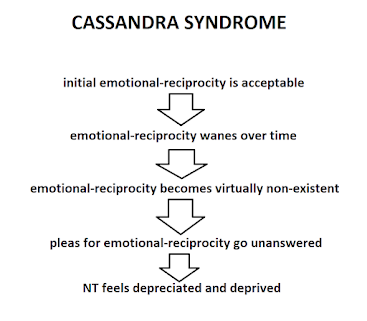
A common experience for wives in neurodiverse marriages is the feeling that their husband is emotionally unaware of what they are going through. They may come home from a difficult day hoping their distress will be noticed, only to find that their husband continues talking about a completely different topic. They may express sadness or frustration and receive a practical or logical response rather than emotional understanding. In those moments, the natural conclusion many wives reach is that their husband does not care, or that if he truly loved them he would automatically notice their pain. These interpretations are understandable because emotional awareness is often expected in most relationships.
However, in neurodiverse marriages something different is often happening beneath the surface. Many autistic men experience emotions deeply, but they may struggle with recognizing emotional signals from others. Subtle facial expressions, tone shifts, and indirect cues that neurotypical partners easily detect may not register as clearly for them. As a result, when a wife quietly signals that she is distressed, the signal may simply go unnoticed. What appears to be insensitivity can sometimes be better understood as an emotional blind spot.
An emotional blind spot does not mean that the husband lacks feelings or that he does not care about his wife. Rather, it means that certain emotional signals may not automatically trigger recognition in the same way they do for someone who processes social cues more intuitively. A helpful comparison is the visual blind spot that drivers sometimes have while changing lanes. If a car is in that blind spot, the driver is not ignoring it intentionally; they simply cannot see it unless they deliberately turn their head and check. In a similar way, many autistic partners may not automatically detect emotional signals unless those signals are made more direct.
Even when wives intellectually understand this difference, the emotional impact can still be very painful. When distress goes unnoticed repeatedly, the message the heart receives is often, “I am alone.” Over time, this can create a quiet grief inside the marriage. Many women describe feeling invisible or feeling as though they are carrying the entire emotional side of the relationship by themselves. This experience deserves compassion and validation. It is deeply difficult to be the partner who constantly notices emotions while feeling that one’s own emotions are not being recognized.
One helpful shift that can sometimes ease the burden is learning to distinguish between blindness and indifference. Indifference means someone sees your pain and does not care about it. Blindness means the pain was not recognized in the first place. These are two very different realities. When wives begin to separate these possibilities, it can soften some of the personal hurt that builds up over time. This does not mean ignoring emotional needs or accepting chronic loneliness. Rather, it allows for a more accurate understanding of what may actually be happening in those painful moments.
Because emotional blind spots are common in neurodiverse relationships, many couples benefit from more direct emotional communication. Instead of hoping distress will be noticed indirectly, clearer signals can sometimes bridge the gap. For example, a wife might say, “I’m feeling really overwhelmed right now and could use a hug,” or “I had a difficult day and I just need someone to listen.” For many autistic partners, this kind of direct communication reduces confusion and provides clear guidance about how to respond.
Over time, these small adjustments can open new possibilities for connection. The husband receives clearer information about what his wife needs, and the wife experiences a greater chance of having her emotional needs acknowledged. It may not happen perfectly or immediately, but increased clarity can help both partners move toward a more balanced emotional rhythm.
For wives experiencing Cassandra-type loneliness, one truth remains very important: your emotional needs are valid. The desire to feel seen, comforted, and emotionally understood is not excessive or unreasonable. It is part of being human. Navigating a neurodiverse marriage can sometimes feel confusing and isolating, but understanding the role of emotional blind spots can provide a framework that brings both clarity and hope.
Many wives are quietly walking this same path. They love their husbands, yet struggle with moments of emotional disconnection. Recognizing that some painful moments are rooted in neurological differences rather than intentional neglect can sometimes help create space for patience, new communication strategies, and gradual growth within the relationship. You are not alone in this experience, and your story deserves to be heard with compassion and understanding.